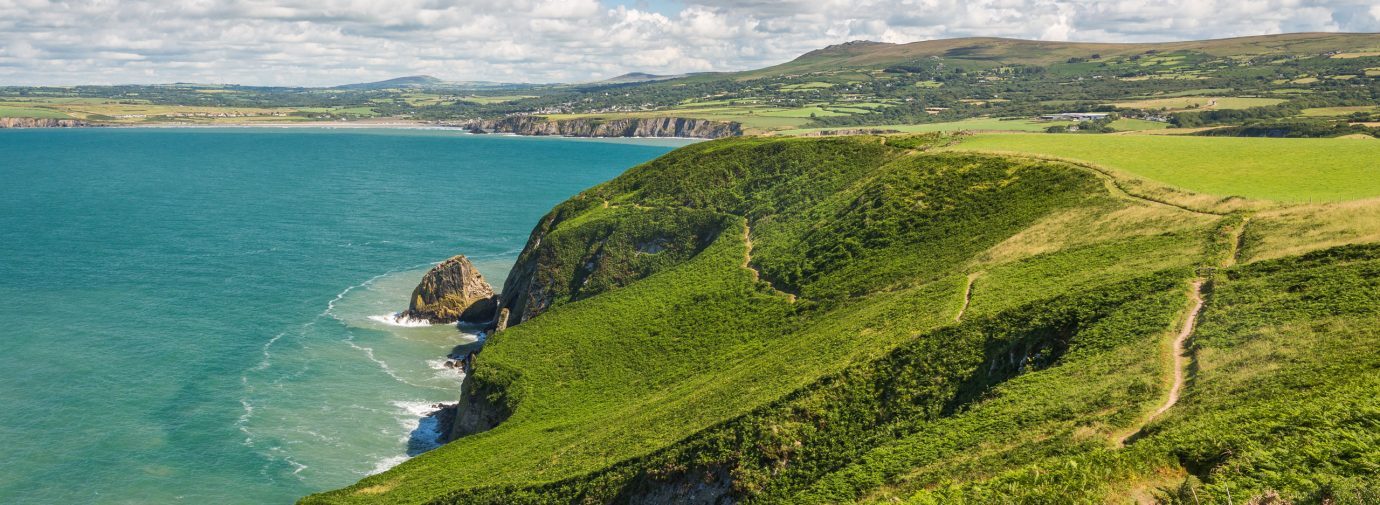
Experience one of Britain’s most dramatic coastlines in its wild winter mood. We’ll walk a carefully chosen section of the Pembrokeshire Coast Path National Trail – a 186‑mile (300 km) route along spectacular cliffs, hidden coves, and sweeping beaches. Expect bracing sea air, big skies, rugged headlands, and the chance to spot seabirds, seals, and maybe even dolphins on the horizon.
We’ll use a scenic, manageable section with a mix of cliff tops, beaches, and characterful villages (for example St Davids/Whitesands Bay area or Abereiddy–Porthgain, depending on final logistics and weather).
ITINERARY
9:00am
Meet at the agreed start point on the Coast Path.
9:15am
Start: quick intro, kit check, group photo.
Walk
Cliff‑top path with views across the Atlantic, past coves, beaches, and maybe historic sites like St Non’s Chapel or the Blue Lagoon at Abereiddy.
Lunch
Break at a scenic spot or village along the way.
Finish
Mid to late afternoon back at the end point for final group photos and debrief.
WHAT'S INCLUDED
A well‑planned section of the Pembrokeshire Coast Path, chosen for scenery, safety, and winter accessibility.
Group atmosphere with good fun, informal networking, and plenty of group photos on dramatic headlands and beaches.
Pre‑walk briefing covering route, tides/cliff safety, and weather.
Time after the walk to relax, share stories, and swap travel/hiking tips.
EQUIPMENT NEEDED
January on the Pembrokeshire coast means short daylight, stronger winds, and rapidly changing weather. Treat it like a wet, windy UK hill walk rather than a gentle beach stroll.
Sturdy walking boots with good grip and ankle support (the path is uneven, can be muddy and slippery, especially after rain).
Thick walking socks (wool or synthetic, not cotton).
Waterproof jacket with a proper hood and waterproof trousers/overtrousers – essential even if the forecast looks decent.
Warm layers: base layer, fleece or insulated mid‑layer, plus a warm hat and gloves.
Comfortable, quick‑dry trousers and tops; avoid jeans.
Rucksack (20–30 L)
At least 1–1.5 L of water.
Packed lunch and extra snacks.
Headtorch (in case of delays – daylight is limited in January).
Sun protection if it’s clear: sun cream and sunglasses (winter sun + wind + reflection off the sea can still burn).
Optional but useful:
Walking poles, helpful on steep up‑and‑down sections and slippery descents.
Extra warm layer (light down/synthetic jacket) for breaks.
Change of clothes and shoes for after the walk.
Small dry bag or liner to keep electronics and spare clothes dry.
CREW GOING
Be the first one to reserve a spot!
We use a small number of essential cookies to keep you signed in and keep the site secure. With your consent, we also use Google Analytics to understand how the site is used.
Learn more